

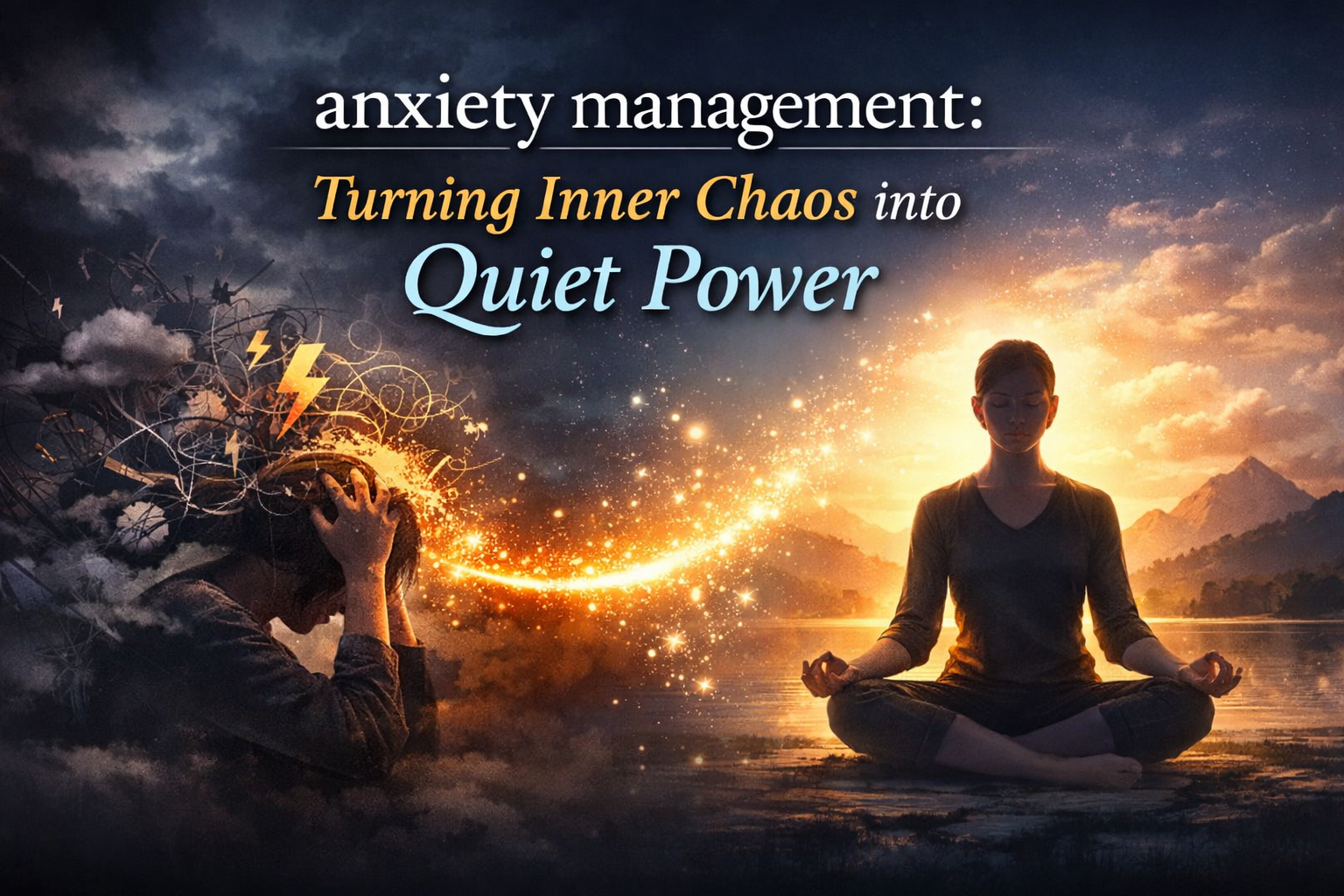
Anxiety is no longer a rare experience—it’s part of modern life. Whether it’s work pressure, financial concerns, or constant digital stimulation, millions of people struggle with overwhelming thoughts and stress daily. But here’s the truth: anxiety doesn’t have to control your life. Effective anxiety management is not about eliminating stress entirely—it’s about learning how to respond to it in healthier, more balanced ways. In this guide, you’ll discover practical, research-backed strategies that can help you regain control, improve your mental well-being, and build resilience over time.
Understanding Anxiety: What’s Really Happening?
What Is Anxiety?
Anxiety is your body’s natural response to perceived danger. It activates the “fight-or-flight” system, preparing you to react quickly. While this is helpful in real threats, chronic anxiety can become exhausting and disruptive.
Common Symptoms of Anxiety
- Racing thoughts
- Rapid heartbeat
- Difficulty concentrating
- Sleep disturbances
- Irritability or restlessness
Understanding these symptoms is the first step toward effective anxiety relief.
Why Anxiety Management Matters
Ignoring anxiety can lead to long-term consequences, including burnout, depression, and physical health issues. Proper stress and anxiety management improves:
- Emotional stability
- Decision-making ability
- Physical health
- Relationships and productivity
Simply put, managing anxiety isn’t optional—it’s essential for a balanced life.
Top Anxiety Management Techniques That Work
1. Practice Mindfulness and Meditation
Mindfulness helps you stay grounded in the present moment rather than worrying about the future.
How to Start:
- Spend 5–10 minutes daily focusing on your breath
- Use guided meditation apps
- Observe your thoughts without judgment
Example:
A study published in psychological journals found that participants who practiced mindfulness for 8 weeks experienced significantly reduced anxiety levels.
2. Deep Breathing Exercises
Controlled breathing can calm your nervous system almost instantly.
Try This Technique:
- Inhale for 4 seconds
- Hold for 4 seconds
- Exhale for 6 seconds
- Repeat for 5 minutes
This simple method signals your brain that it’s safe to relax.
3. Cognitive Behavioral Techniques (CBT)
CBT helps you identify and challenge negative thought patterns.
Steps to Apply CBT:
- Identify anxious thoughts
- Question their accuracy
- Replace them with realistic alternatives
Example:
Instead of thinking, “I’ll fail this presentation,” reframe it to, “I’ve prepared well, and I’ll do my best.”
4. Regular Physical Activity
Exercise is one of the most effective natural anxiety reducers.
Benefits of Exercise:
- Releases endorphins (feel-good hormones)
- Reduces stress hormones
- Improves sleep quality
Best Activities for Anxiety:
- Walking or jogging
- Yoga
- Swimming
- Strength training
Even 20 minutes a day can make a noticeable difference.
5. Improve Your Sleep Routine
Poor sleep and anxiety often go hand in hand.
Tips for Better Sleep:
- Maintain a consistent bedtime
- Avoid screens before sleep
- Limit caffeine intake
- Create a calming nighttime routine
Good sleep strengthens your emotional resilience.
6. Limit Triggers and Stimulants
Certain habits can worsen anxiety without you realizing it.
Common Anxiety Triggers:
- Excessive caffeine
- Social media overload
- Negative news consumption
- Lack of structure
Reducing these can significantly improve your mental clarity.
7. Build a Strong Support System
You don’t have to manage anxiety alone.
Ways to Build Support:
- Talk to trusted friends or family
- Join support groups
- Seek professional counseling
Case Study:
Individuals who regularly discuss their worries with supportive peers report lower stress levels and better coping mechanisms.
Lifestyle Changes for Long-Term Anxiety Relief
Healthy Diet Matters
What you eat affects how you feel.
Foods That Help Reduce Anxiety:
- Leafy greens
- Nuts and seeds
- Whole grains
- Fatty fish
Avoid excessive sugar and processed foods, as they can worsen mood swings.
Time Management and Productivity
Feeling overwhelmed often fuels anxiety.
Simple Strategies:
- Break tasks into smaller steps
- Use to-do lists
- Prioritize important tasks
- Take regular breaks
When you feel in control of your time, anxiety naturally decreases.
Digital Detox
Constant notifications and screen time can overstimulate your brain.
Try This:
- Set screen time limits
- Avoid checking your phone first thing in the morning
- Schedule “offline” hours daily
When to Seek Professional Help
While self-help strategies are powerful, sometimes professional support is necessary.
Signs You Should Seek Help:
- Anxiety interferes with daily life
- Frequent panic attacks
- Persistent negative thoughts
- Difficulty functioning at work or home
Therapists, psychologists, and mental health professionals can provide tailored treatment plans, including therapy and, if needed, medication.
Actionable Daily Anxiety Management Plan
Here’s a simple routine you can follow:
Morning
- 5 minutes of deep breathing
- Light exercise or stretching
Afternoon
- Stay hydrated and eat balanced meals
- Take short mental breaks
Evening
- Reflect on positive moments
- Practice mindfulness or journaling
- Avoid screens before bed
Consistency is key—small daily actions lead to big results.
Conclusion:
Managing anxiety isn’t about perfection—it’s about progress. By understanding your triggers, adopting healthy habits, and practicing proven techniques like mindfulness and cognitive restructuring, you can build a calmer, more resilient mindset.
FAQs About Anxiety Management
1. What is the fastest way to calm anxiety?
Deep breathing and grounding techniques can provide immediate relief by calming your nervous system.
2. Can anxiety go away completely?
While anxiety may not disappear entirely, it can be effectively managed with the right strategies and support.
3. Is anxiety a mental illness?
Anxiety can range from normal stress to clinical disorders. Persistent or severe symptoms may require professional diagnosis.
4. How long does it take to manage anxiety?
It varies for each person. Some notice improvements within weeks, while others may take longer depending on consistency and approach.
5. Are natural remedies effective for anxiety?
Yes, practices like exercise, meditation, and a healthy diet can significantly reduce anxiety symptoms.