

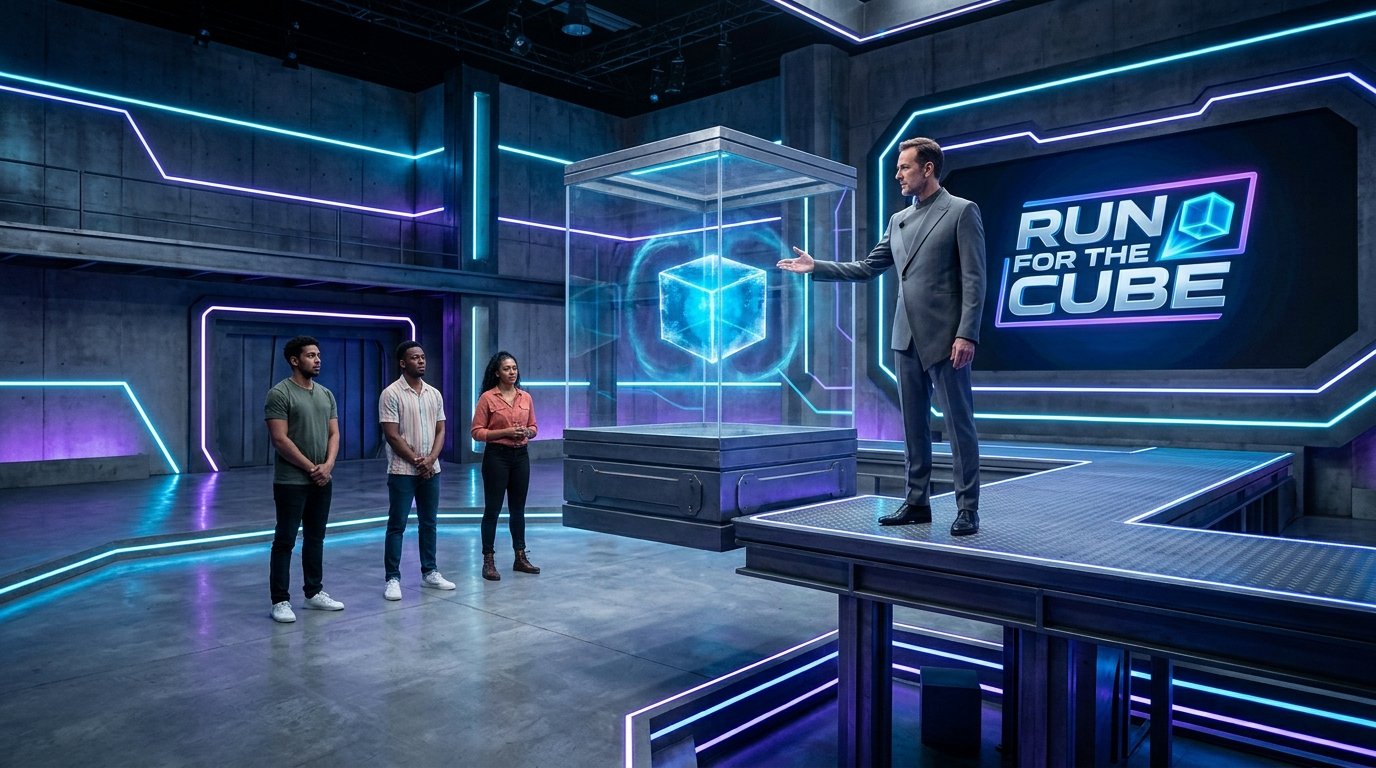
The phrase run for the cube immediately sparks curiosity and excitement. Whether viewed as a competitive challenge, a symbolic journey, a gaming objective, or a motivational concept, it represents the pursuit of a meaningful goal. In modern culture, people are constantly drawn to challenges that test their skills, determination, and ability to overcome obstacles. Run for the cube captures this spirit by combining movement, strategy, and achievement into a single compelling idea. As interest in challenge-based activities continues to grow, the concept has gained attention among enthusiasts who enjoy pushing their limits while pursuing a clear and rewarding objective.
Understanding the Meaning of Run for the Cube
At its core, run for the cube symbolizes a journey toward a valuable target. The cube often represents success, completion, knowledge, or reward, while the act of running signifies effort, persistence, and progress. This combination creates a concept that resonates across various contexts, including gaming, personal development, sports, and entertainment. People naturally connect with goals that require commitment and action. The phrase inspires a sense of movement and purpose, encouraging participants to remain focused on reaching their destination. As a result, run for the cube has become an engaging expression that reflects determination and achievement.
Why Challenges Capture Human Attention
Humans have always been attracted to challenges because they provide opportunities for growth and accomplishment. Run for the cube embodies this attraction by presenting a clear objective that requires effort and strategy. Challenges create excitement because they involve uncertainty, competition, and the possibility of success. Whether the goal is physical, mental, or creative, overcoming obstacles generates a strong sense of satisfaction. This emotional reward motivates people to participate in activities that test their abilities. The appeal of run for the cube lies in its ability to transform a simple objective into an engaging experience filled with anticipation and personal achievement.
The Role of Strategy in Success
Success rarely comes from effort alone. Strategic thinking often determines whether a person reaches their objective efficiently. In the context of run for the cube, participants must evaluate obstacles, make decisions, and adapt to changing circumstances. Strategy helps individuals conserve resources, avoid unnecessary setbacks, and maintain progress toward their goal. The combination of movement and planning creates a more dynamic and rewarding experience. People enjoy challenges that require both action and intelligence because they engage multiple skills simultaneously. This balance between effort and strategy contributes significantly to the lasting appeal of run for the cube.
Run for the Cube in Gaming Culture
Gaming communities frequently embrace concepts that involve pursuit, competition, and rewards. Run for the cube aligns naturally with these themes, making it an appealing idea within digital entertainment. Many games feature objectives that require players to navigate environments, solve problems, and reach valuable targets. The cube can symbolize an item, achievement, or final objective that players must obtain. Such challenges encourage engagement while providing a sense of progression. Gaming culture values experiences that reward skill and persistence, which explains why concepts like run for the cube continue to resonate with players seeking excitement and accomplishment.
Personal Growth Through Goal-Oriented Activities
Goal-oriented activities help individuals develop discipline, resilience, and confidence. Run for the cube can be interpreted as a metaphor for pursuing personal ambitions and overcoming barriers along the way. Every meaningful achievement requires effort, patience, and the ability to remain focused despite challenges. The journey toward a goal often teaches valuable lessons that extend beyond the final result. By emphasizing action and persistence, the concept encourages individuals to take responsibility for their progress. This perspective transforms run for the cube from a simple challenge into a powerful reminder of the importance of determination and self-improvement.
The Importance of Persistence
Persistence remains one of the most important factors in achieving success. During any challenge, setbacks and obstacles are inevitable. Run for the cube highlights the value of continuing forward even when progress becomes difficult. Individuals who remain committed to their objectives often discover opportunities and solutions that might otherwise be overlooked. Persistence builds confidence because every obstacle overcome reinforces the belief that success is possible. This mindset is valuable in many areas of life, including education, business, sports, and personal development. The concept encourages people to maintain momentum and keep moving toward their desired outcome.
Community and Shared Experiences
Many challenges become more enjoyable when shared with others. Run for the cube can create opportunities for collaboration, competition, and community engagement. Participants often exchange strategies, celebrate achievements, and encourage one another throughout the journey. These interactions strengthen social connections while enhancing the overall experience. Communities built around shared challenges tend to foster motivation and learning. People enjoy being part of groups that support common goals and celebrate progress. The social aspect of run for the cube contributes to its appeal by transforming individual efforts into collective experiences that inspire and unite participants.
Creativity and Innovation Within Challenges
Challenges often encourage creative thinking because participants must find effective ways to overcome obstacles. Run for the cube supports innovation by rewarding individuals who develop unique strategies and solutions. Creative approaches can improve efficiency, reveal hidden opportunities, and make the journey more enjoyable. Innovation also keeps challenges fresh and engaging by preventing repetitive experiences. Participants who think creatively often discover advantages that others may miss. This emphasis on problem-solving adds depth to the concept and increases its appeal among people who enjoy combining imagination with action. Creativity helps transform ordinary challenges into memorable adventures.
The Lasting Appeal of Run for the Cube
The enduring popularity of run for the cube comes from its universal themes of effort, achievement, and perseverance. People from different backgrounds can relate to the idea of pursuing an important objective while overcoming obstacles along the way. The concept remains flexible enough to apply to gaming, education, personal development, and entertainment. Its simplicity makes it accessible, while its deeper meaning provides lasting relevance. As long as individuals continue striving for goals and seeking rewarding challenges, run for the cube will remain an inspiring symbol of determination, progress, and success.
Conclusion
Run for the cube represents much more than a simple phrase. It symbolizes the pursuit of goals, the importance of strategy, and the rewards that come from persistence and hard work. Whether viewed through the lens of gaming, personal growth, or competitive challenges, the concept encourages action and determination. Its focus on progress, creativity, and achievement makes it relevant across many areas of life. As people continue seeking opportunities to challenge themselves and accomplish meaningful objectives, run for the cube will remain a powerful reminder that success belongs to those who keep moving forward despite obstacles and uncertainty.