

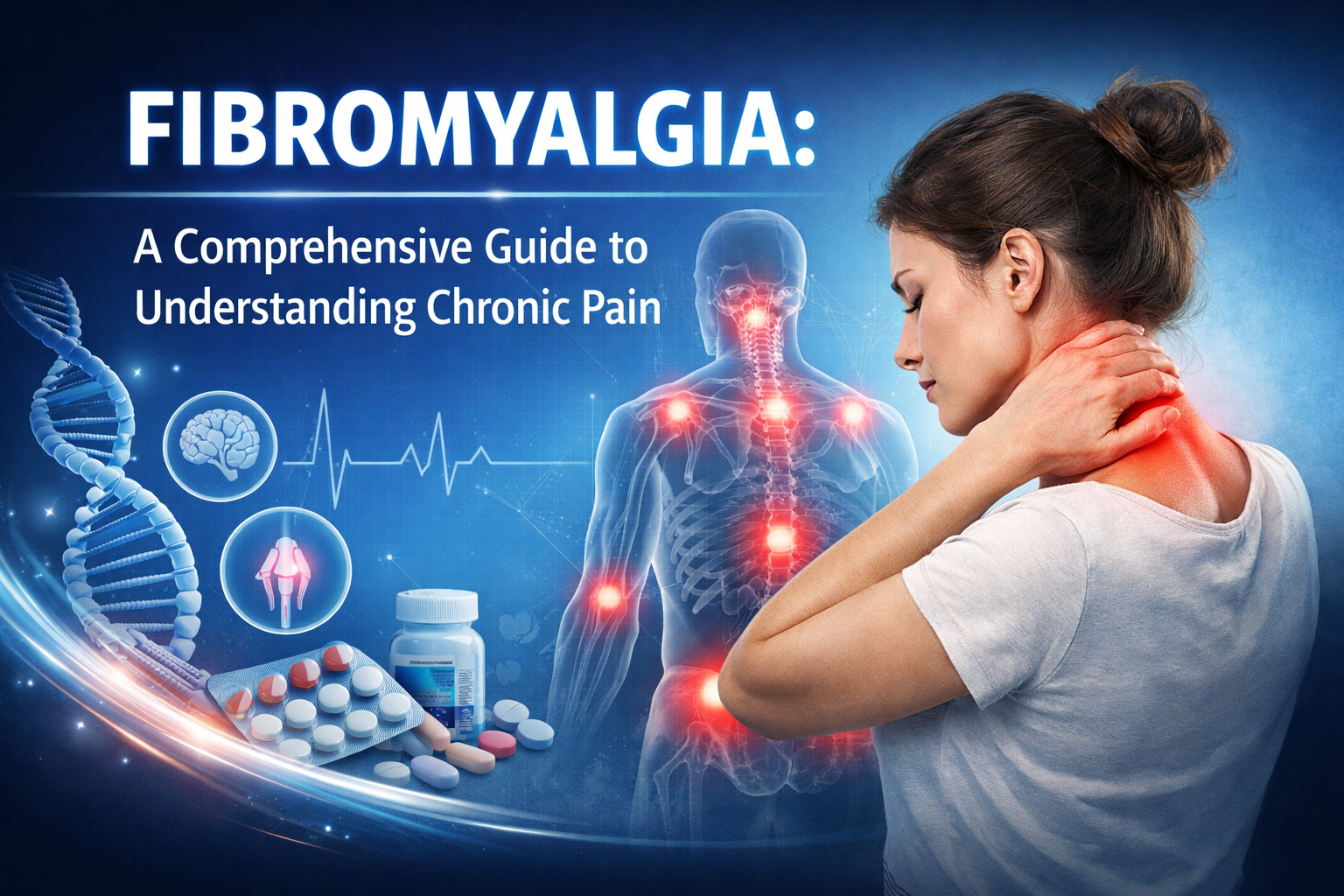
Inomyalgia is a term that is increasingly being discussed in the health and wellness industry, yet many people are still unfamiliar with its meaning, causes, and treatment options. Nostalgia refers to muscle-related pain or discomfort that can affect daily life, mobility, and overall well-being. This condition may develop due to physical strain, medical conditions, lifestyle habits, or underlying health issues. Understanding nostalgia is important because early awareness can help individuals manage symptoms effectively and prevent long-term complications.
The topic of is important for people of all ages because muscle pain is a common issue in modern lifestyles, especially among individuals who work long hours, sit for extended periods, or perform repetitive physical activities. may appear suddenly or develop gradually, depending on its cause, severity, and the physical condition of a person.
What is Inomyalgia?
Inomyalgia is generally described as muscle pain, stiffness, or discomfort that may occur in different parts of the body. It can be mild, moderate, or severe and may affect one muscle group or multiple areas simultaneously. is often associated with muscle inflammation, overuse, tension, or stress-related muscular pain.
The following table explains the basic overview of, its causes, and common effects on the body.
| Aspect | Description |
|---|---|
| Condition | Muscle pain and discomfort |
| Common Causes | Overuse, injury, stress, medical conditions |
| Symptoms | Pain, stiffness, weakness, fatigue |
| Risk Factors | Poor posture, lack of exercise, stress |
| Treatment | Rest, therapy, medication, lifestyle changes |
Inomyalgia can affect athletes, office workers, students, and elderly individuals. It is not limited to a specific group, which makes awareness and prevention very important.
Causes of Inomyalgia
Inomyalgia can develop due to various reasons, and identifying the cause is essential for proper treatment. One of the most common causes of is muscle overuse. When muscles are used excessively without proper rest, they become strained and painful. Another major cause of is poor posture, especially for people who sit in front of computers for long hours.
Stress and anxiety can also lead to because mental stress often causes muscle tension, particularly in the neck, shoulders, and back. Injuries such as muscle sprains or minor tears are also responsible for inomyalgia. In some cases, medical conditions like infections, nutritional deficiencies, or chronic illnesses can lead to muscle pain and discomfort.
The table below shows common causes of nostalgia and their effects on the body.
| Cause | Effect on Muscles |
|---|---|
| Overuse | Muscle strain and pain |
| Injury | Swelling and inflammation |
| Stress | Muscle tension and stiffness |
| Poor Posture | Back and neck pain |
| Nutritional Deficiency | Muscle weakness and fatigue |
Understanding these causes helps in managing nostalgia effectively and reducing the risk of recurring pain.
Symptoms of Inomyalgia
Inomyalgia symptoms can vary from person to person depending on the cause and severity of the condition. Some people experience mild discomfort, while others may suffer from severe muscle pain that affects their daily activities. The most common symptom of nostalgia is persistent muscle pain that does not go away easily.
Other symptoms of nostalgia include muscle stiffness, fatigue, tenderness, and reduced mobility. Some individuals may also experience muscle cramps or a burning sensation in the affected area. In severe cases, inomyalgia may lead to difficulty in movement and reduced physical performance.
The table below highlights the major symptoms of nostalgia and how they affect daily life.
| Symptom | Impact on Daily Life |
|---|---|
| Muscle Pain | Difficulty in movement |
| Stiffness | Reduced flexibility |
| Fatigue | Low energy levels |
| Tenderness | Pain when touched |
| Cramps | Sudden muscle tightening |
Recognizing these symptoms early can help individuals seek treatment before the condition becomes severe.
Diagnosis of Inomyalgia
The diagnosis of inomyalgia usually involves a physical examination and a review of medical history. Doctors may ask about lifestyle habits, work routine, physical activity, and stress levels to determine the cause of muscle pain. In some cases, blood tests, imaging tests, or muscle function tests may be required to confirm the diagnosis of inomyalgia.
Early diagnosis of inomyalgia is important because untreated muscle pain can lead to chronic pain conditions. Proper diagnosis helps in identifying whether the pain is due to muscle strain, inflammation, or another medical condition.
Treatment Options for Inomyalgia
Treatment for inomyalgia depends on its cause and severity. In mild cases, rest and lifestyle changes are often enough to reduce pain and discomfort. Applying heat or cold packs to the affected area can help reduce inflammation and muscle tension. Physical therapy is also commonly recommended for inomyalgia because it helps strengthen muscles and improve flexibility.
In some cases, doctors may prescribe pain relievers or anti-inflammatory medications to manage inomyalgia symptoms. Regular exercise, stretching, and maintaining proper posture are also important for recovery and prevention.
The following table shows common treatment methods for inomyalgia.
| Treatment | Purpose |
|---|---|
| Rest | Allows muscles to recover |
| Physical Therapy | Improves strength and flexibility |
| Medication | Reduces pain and inflammation |
| Exercise | Prevents muscle stiffness |
| Massage | Relieves muscle tension |
Proper treatment can significantly reduce the symptoms of inomyalgia and improve quality of life.
Prevention of Inomyalgia
Preventing inomyalgia is possible by maintaining a healthy lifestyle and taking care of muscle health. Regular exercise helps keep muscles strong and flexible, which reduces the risk of muscle pain. Stretching before and after physical activity is also important in preventing inomyalgia.
Maintaining proper posture while sitting, standing, and working can prevent unnecessary strain on muscles. Staying hydrated and eating a balanced diet rich in vitamins and minerals also helps in preventing inomyalgia. Stress management techniques such as meditation and relaxation exercises can also reduce muscle tension and prevent pain.
The table below explains prevention strategies for inomyalgia.
| Prevention Method | Benefit |
|---|---|
| Regular Exercise | Strong muscles |
| Proper Posture | Reduced muscle strain |
| Hydration | Better muscle function |
| Balanced Diet | Prevents deficiencies |
| Stress Management | Reduces muscle tension |
By following these prevention methods, individuals can reduce the risk of developing inomyalgia.
Lifestyle Changes to Manage Inomyalgia
Lifestyle plays a major role in both the development and management of inomyalgia. People who live a sedentary lifestyle are more likely to experience muscle pain and stiffness. Therefore, making small lifestyle changes can make a big difference in managing inomyalgia.
Sleeping properly, maintaining a healthy weight, and avoiding excessive physical strain are important steps in managing inomyalgia. Regular stretching, yoga, and light exercise can help reduce muscle stiffness and improve blood circulation. People suffering from inomyalgia should also avoid sitting in one position for long periods and should take short breaks to move and stretch.
Conclusion
Inomyalgia is a common condition that involves muscle pain, stiffness, and discomfort caused by various factors such as overuse, stress, poor posture, and injuries. Although can affect daily life, it can be managed and prevented with proper care, treatment, and lifestyle changes. Early diagnosis, regular exercise, proper posture, and stress management are key factors in preventing and managing inomyalgia.
Understanding is essential for maintaining muscle health and overall well-being. With proper awareness and preventive measures, individuals can live a healthy and pain-free life. If muscle pain persists for a long time, it is important to seek medical advice to prevent complications and ensure proper treatment.