

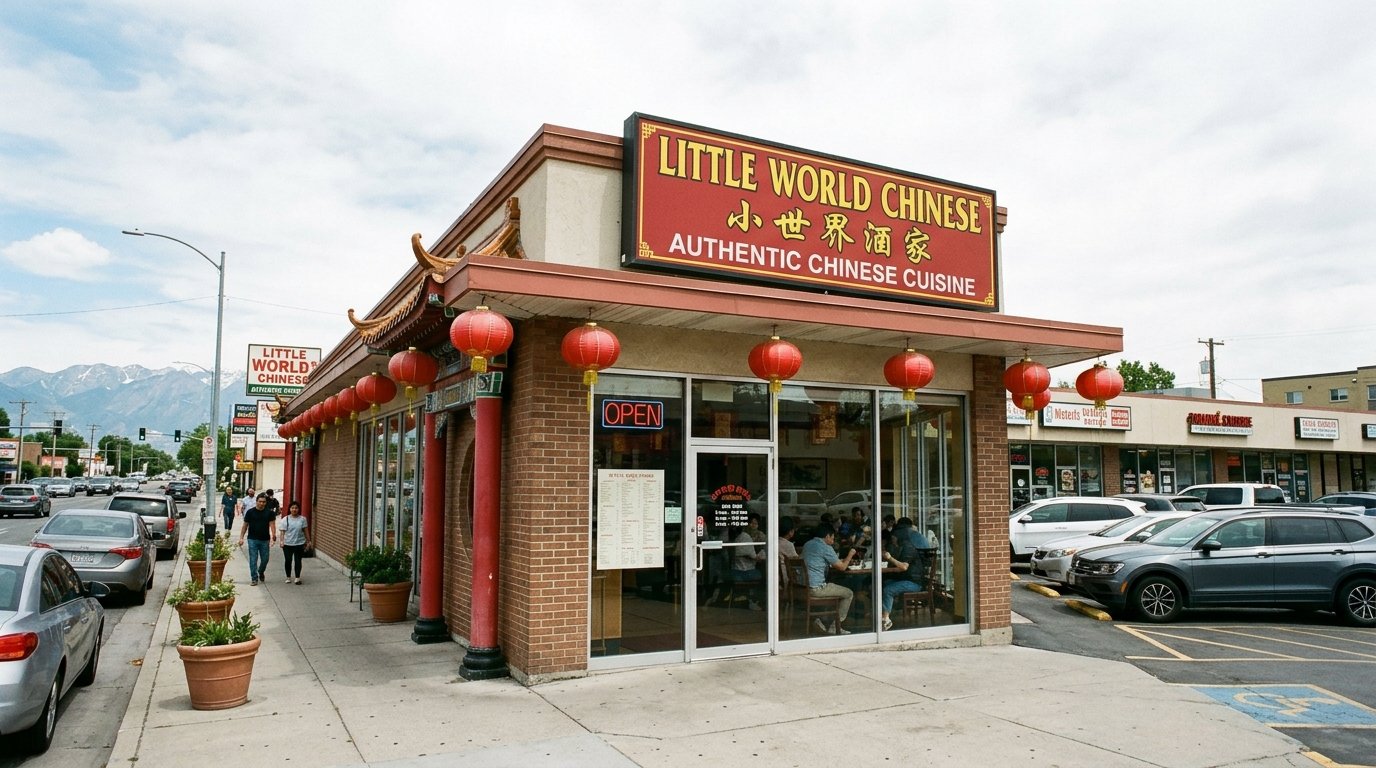
Choosing the right environment to learn Mandarin is crucial for long-term success. Little World Chinese SLC (Service Learning Center) has emerged as a notable option for learners seeking a structured, culturally immersive experience. This article explores what this learning center typically offers, how it compares to other methods, and whether it fits your language goals in 2026.
What is Little World Chinese SLC?
While specific operational details may vary by location, “Little World Chinese SLC” generally positions itself as a bridge between rote memorization and real-world application. The “SLC” often denotes a focus on structured curriculum combined with immersive activities. Unlike large university programs, these centers tend to offer smaller, more intimate class settings.
Core Offerings
-
Structured Curriculum: Usually divided into HSK (Hanyu Shuiping Kaoshi) preparation levels.
-
Cultural Integration: Lessons often incorporate calligraphy, tea ceremonies, or history.
-
Flexible Schedules: Designed for expatriates, students, and working professionals.
How Little World Compares to Other Learning Methods
Choosing the right format often depends on budget, time, and learning style. Here is a typical comparison of learning environments:
| Feature | Little World Chinese SLC | Online Apps (e.g., Duolingo) | University Courses |
|---|---|---|---|
| Speaking Practice | High (Live interaction) | Low (Pre-recorded) | Medium (Large classes) |
| Feedback Speed | Instant (Instructor-led) | Delayed (AI-based) | Delayed (Office hours) |
| Cultural Context | Integrated deeply | Surface level | Academic focus |
| Schedule Flexibility | Moderate (Fixed cohorts) | High (24/7 access) | Low (Semester schedule) |
Benefits of Enrolling in a Dedicated SLC
For serious learners, moving beyond apps is often necessary to master tones and character recognition. The “Little World” model typically capitalizes on three key areas:
-
Accountability: Scheduled classes prevent procrastination.
-
Immersive Environment: Encourages speaking from day one, reducing “translation lag.”
-
Peer Networking: Learning with others creates a support system for tackling difficult topics like measure words (量词) or four tones.
Potential Drawbacks to Consider
-
Location Dependent: Quality and availability vary significantly by city.
-
Cost: Face-to-face instruction is generally more expensive than self-study tools.
-
Pacing: Group classes may move too fast or slow for individual needs.
Conclusion
Little World Chinese SLC represents a valuable middle ground for learners who have outgrown mobile apps but are not ready for a full university degree. If you prioritize real-time feedback and cultural context, enrolling in such a center could substantially accelerate your path to fluency. However, prospective students should visit a local branch to assess class size, teacher credentials, and teaching style before committing.
Frequently Asked Questions (FAQs)
Q1: Is Little World Chinese SLC suitable for absolute beginners?
Most SLCs offer tiered programs. Beginners usually start with Pinyin (romanization) and basic greeting patterns, so no prior knowledge is typically required.
Q2: How long does it take to see progress?
With consistent attendance (2-3 times per week), students often notice improved listening comprehension within 3 months and basic conversational ability within 6 months.
Q3: Does it prepare you for the HSK exam specifically?
Many centers align their curriculum with HSK standards. It is best to ask if they offer specific HSK 2.0 or 3.0 (the new standard) test-taking strategies.
Q4: Can I switch between online and offline classes?
Depending on the specific franchise or location, hybrid models may be available. Direct confirmation with the admissions office is recommended.
Q5: What is the average class size?
To maintain “small world” dynamics, classes often range from 4 to 8 students, though private tutoring is usually available for an additional fee.